Branding & Visual Strategy
Nordic Restraint as a Signal of Premium Branding
How restraint communicates quality in spaces, brands, and long-term decisions
Premium brands rarely try to prove themselves with constant visual intensity. They create calm, leave room, and let materials, detail, and pacing do the work.
In physical spaces, this kind of restraint feels confident because it does not ask for attention. It earns it.
Premium spaces do not fight for attention
Walk into a well-designed hotel lobby or a boardroom that feels expensive without being loud. The impression usually comes from control.
The palette is measured. The lighting is intentional. The details repeat. Nothing needs to shout.
This is also a branding decision. A restrained space suggests stability and long-term thinking. It tells the visitor that the brand is not chasing quick reactions.
It is building something that lasts.
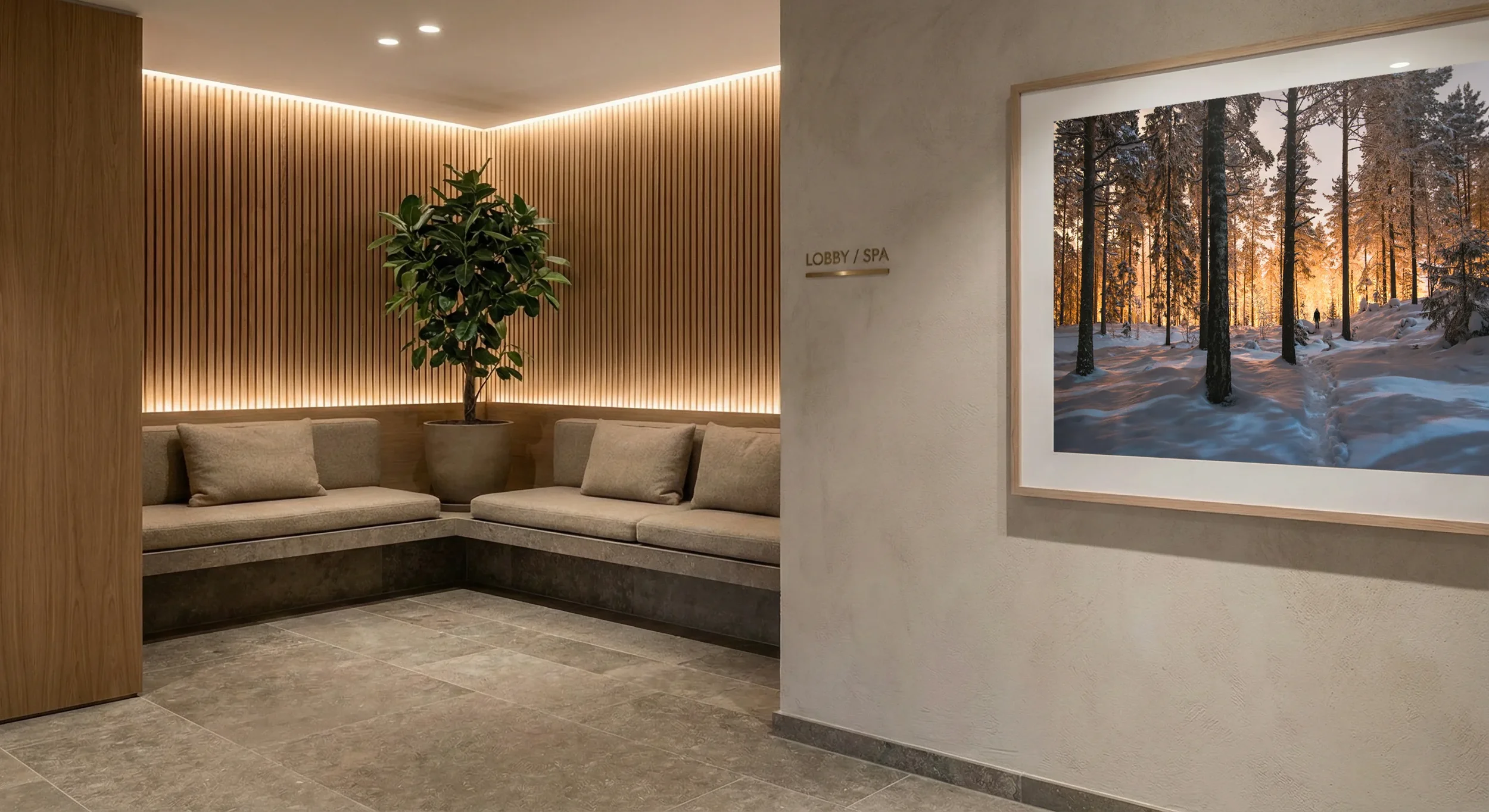
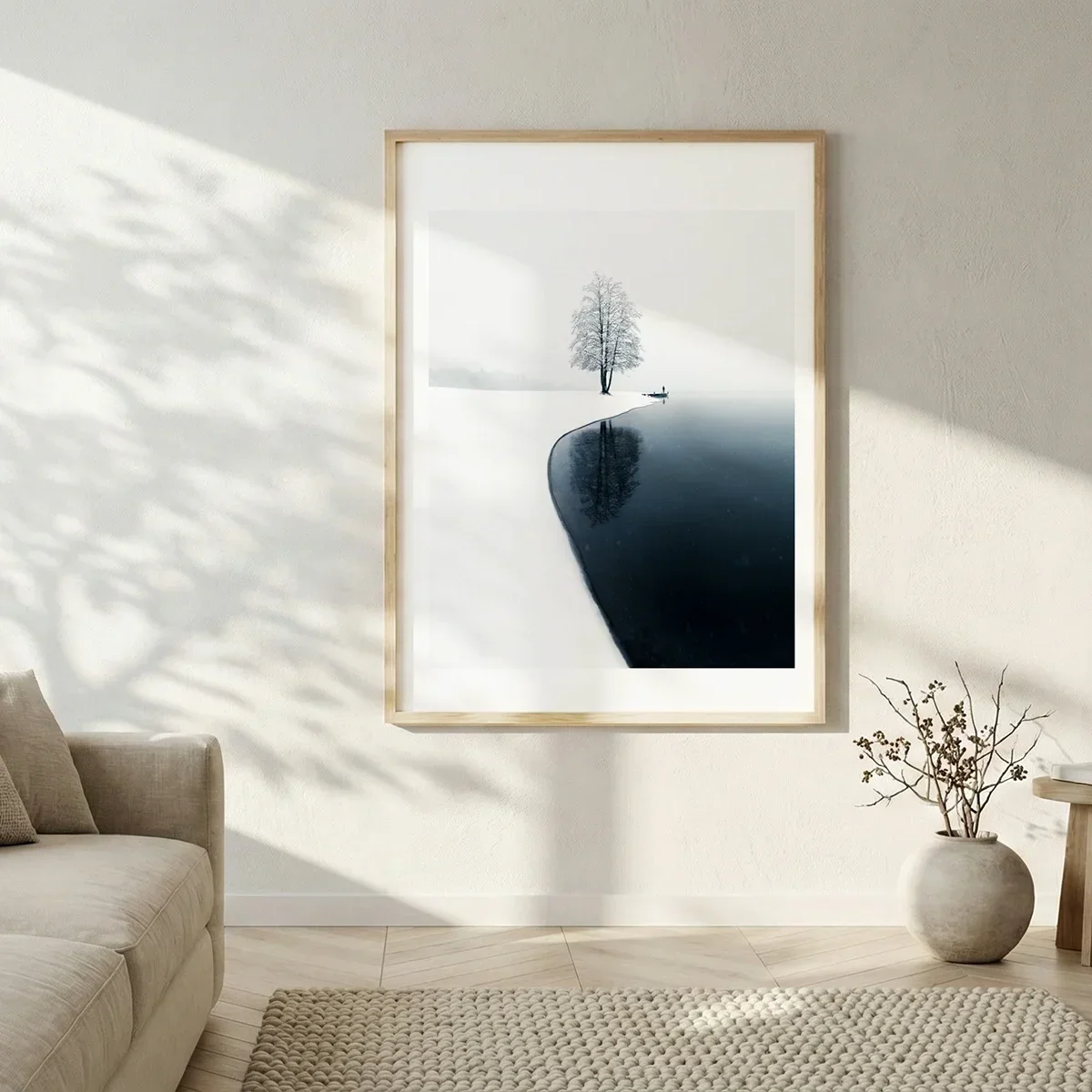
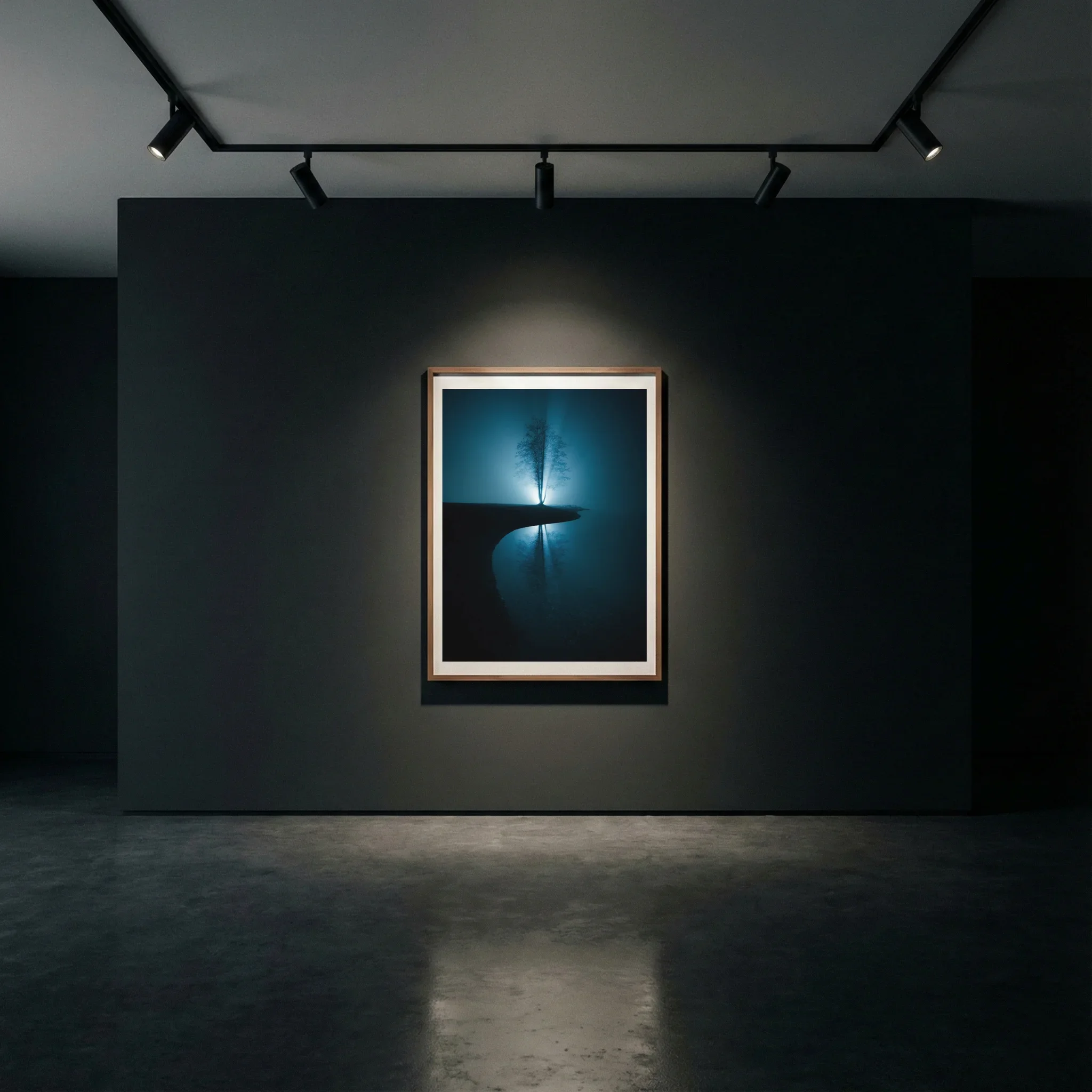
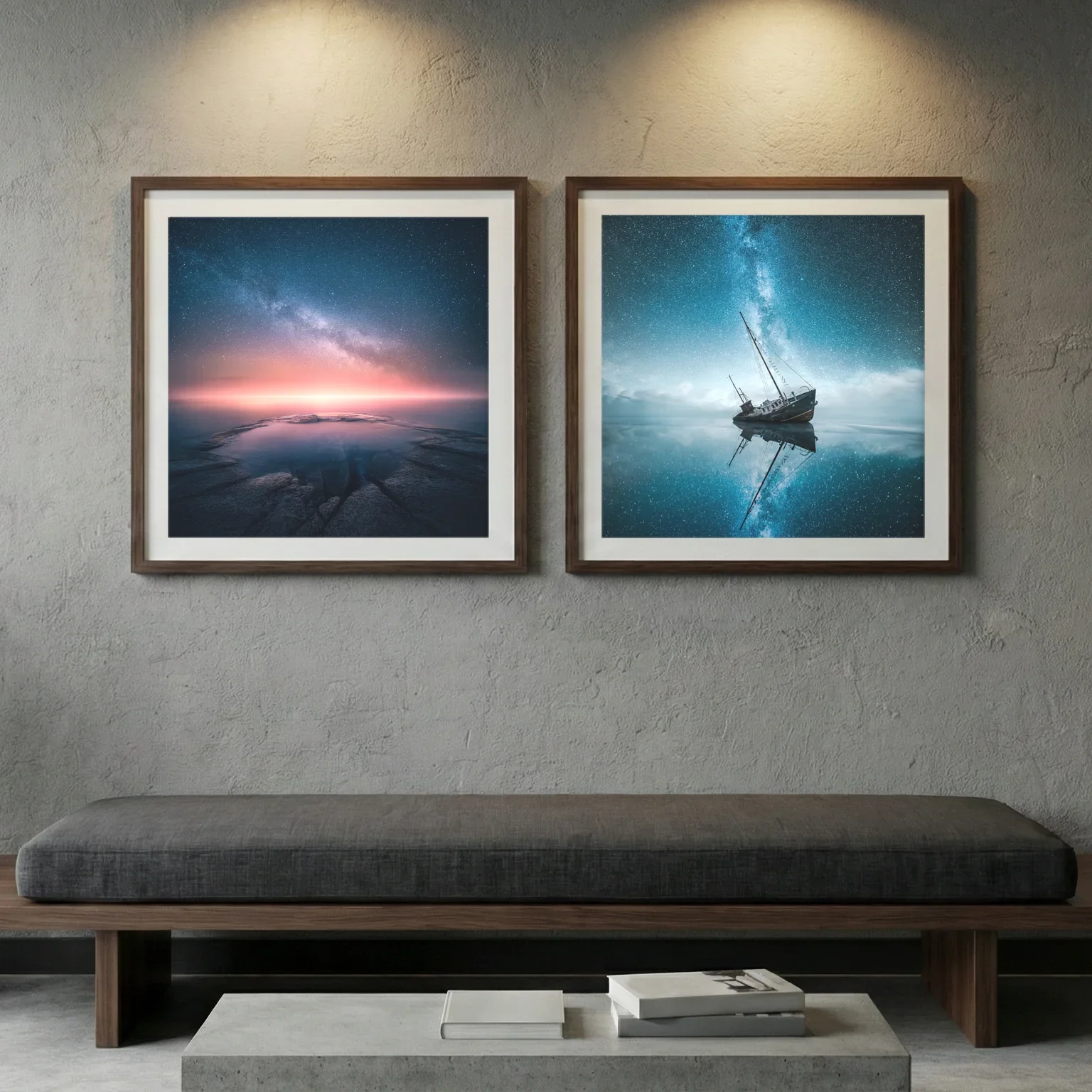
Imagery plays a real role here. In a premium environment, a photograph should support the room, not compete with it.
When the image is calm and precise, it becomes part of the atmosphere. It helps the space feel complete.
Working on a brand or spatial project? See how this approach is applied in recent projects.
Restraint is a method, not a style
Nordic visual culture is often described as minimal, but the real point is usability. A limited palette, controlled contrast, and slower compositions create rooms that feel steady.
This works in any country because it solves the same problem: modern spaces are already full of inputs.
A common fear is that strong imagery will overpower the room. In practice, the opposite is often true when the image is chosen well.
A calm photograph gives the room a visual anchor. It adds character without adding noise.
Clarity
Images that support focus and do not compete with the purpose of the space.
Longevity
Work that still feels right after years of daily exposure.
When imagery becomes part of the brand language
In strong brand environments, art is not added at the end. It is selected with the same care as materials, furniture, and lighting.
That is when photography becomes part of the brand language. It helps the visitor feel what the brand stands for, without a single sentence.
The role of the photograph is to hold the room together. It sets a tone, supports the pace of the space, and adds depth that does not expire after one campaign season.