Editorial Image Selection

Choosing Images for Editorial Use

Why supportive imagery matters in books, magazines, and long-form reading

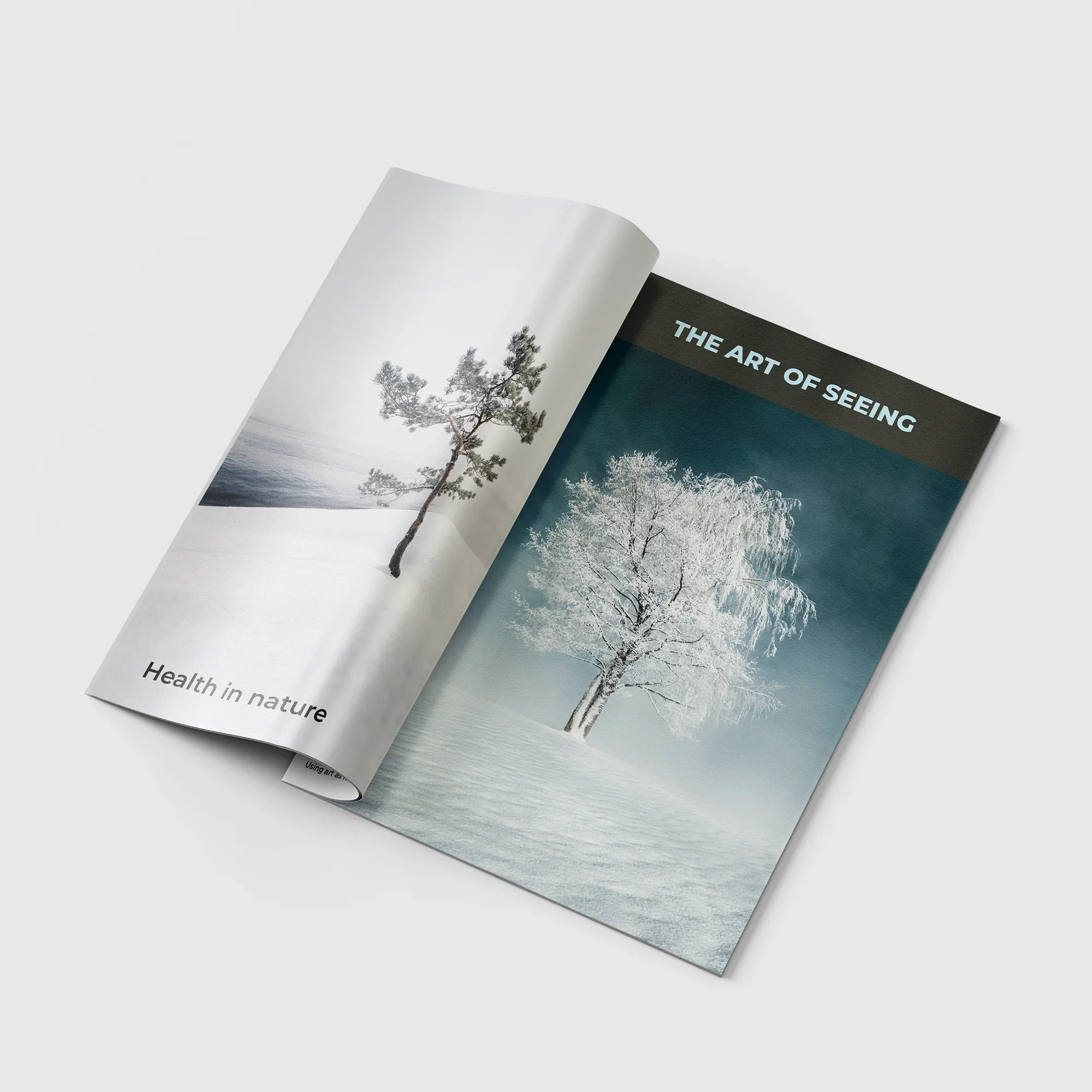
Editorial images do not live in a scroll. They live in rooms. A book cover is picked up again and again. A magazine stays on a table. Over time, the image becomes part of the reader’s everyday environment, not just a layout choice.

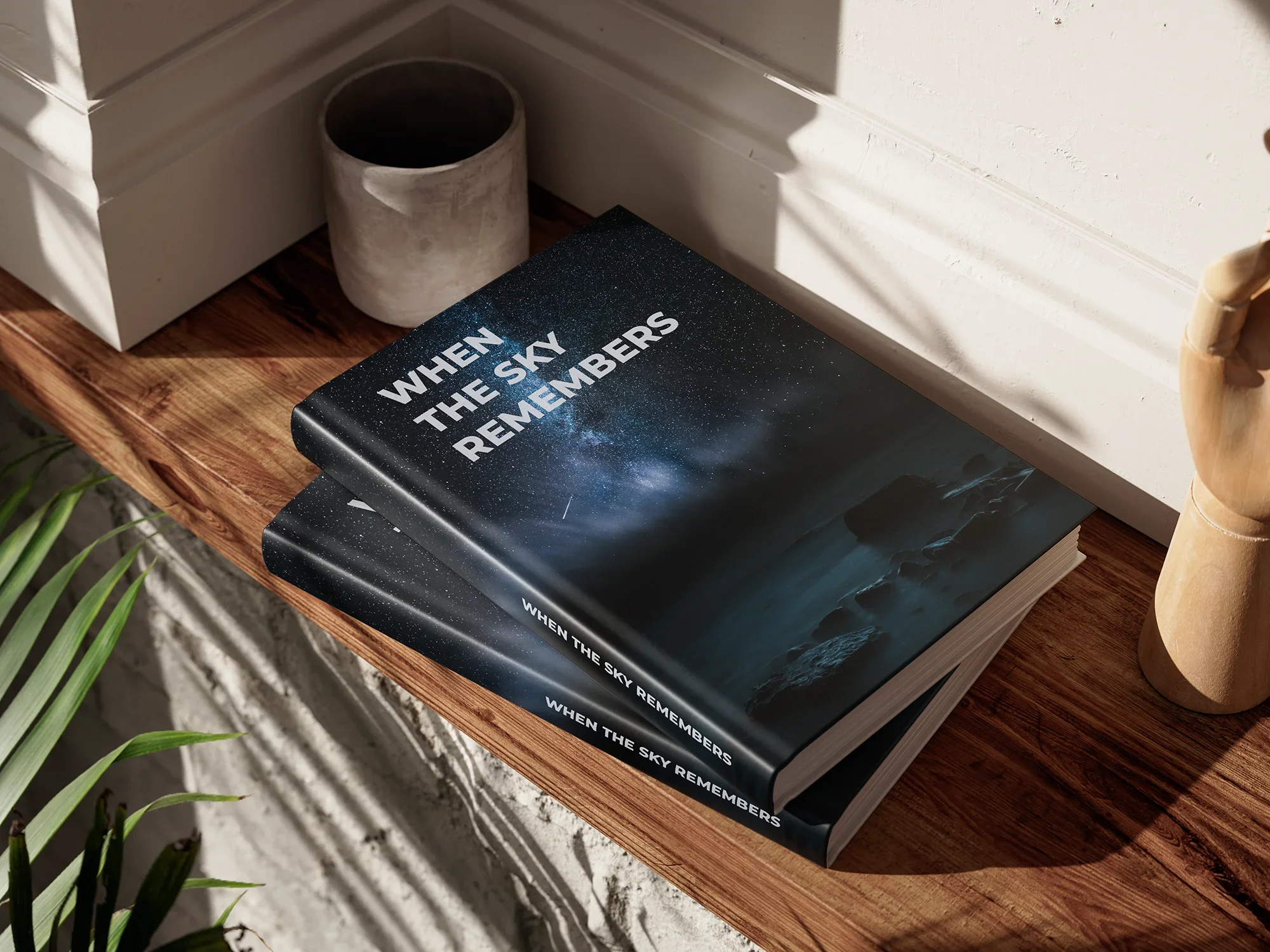
A book cover featuring a calm, atmospheric landscape, demonstrating editorial context

Images leave the page and enter daily life

Once published, an image stops belonging to the editor or designer. It belongs to the reader. It is seen in quiet moments, in passing, and during work and rest. That repeated exposure changes what “good” means.

Some images feel impressive on day one but start to feel loud or distracting over time. Others become quietly reliable. The difference shows up through repetition, not first impact.

In editorial work, the best image is the one that still feels right after the twentieth encounter.
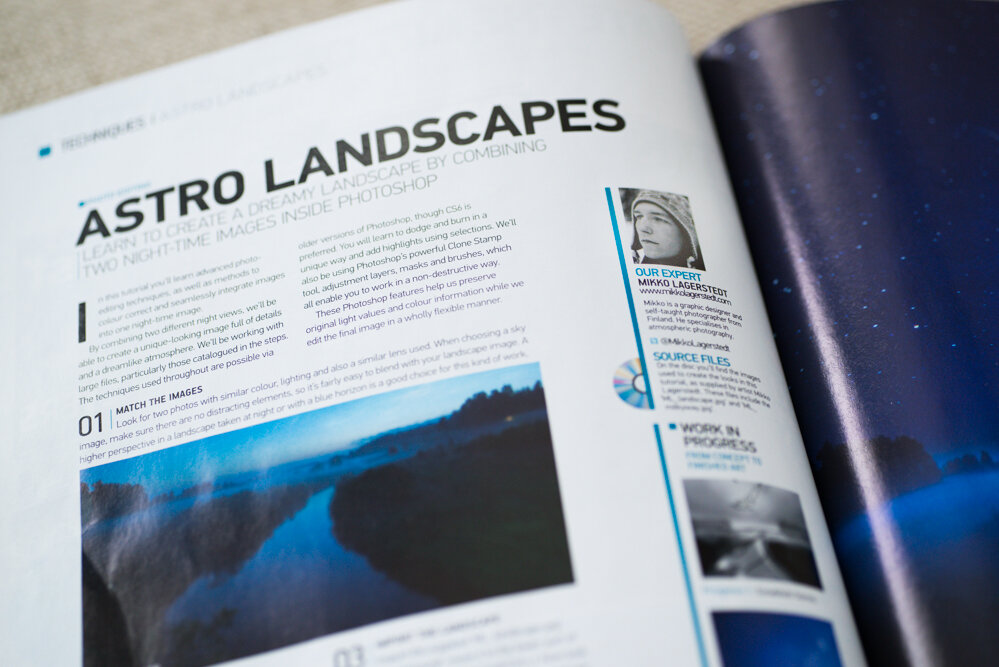
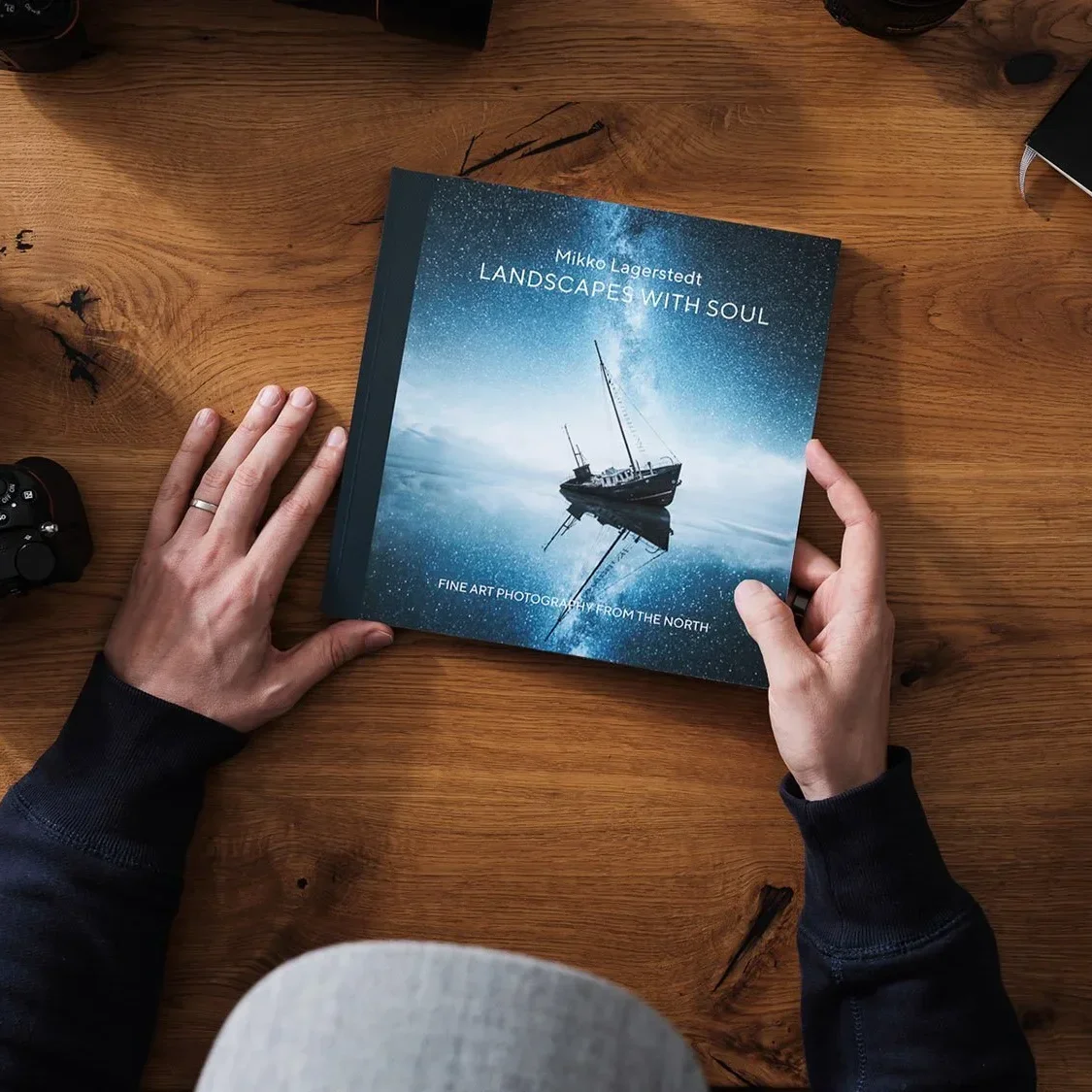
Cohesive editorial visuals in a physical environment

Working on an editorial project where visual restraint matters? See how this approach is applied on the Projects page.

"A strong editorial image supports the reading experience. It stays present without taking over."

Repeated encounters require visual stability

Editorial imagery is revisited. Covers are seen from across a room. Pages are browsed again. Readers build familiarity with the visual language of a publication over time.

This is why stability matters. Images with heavy contrast, aggressive color, or high visual tension can feel exciting at first, but they often become tiring when they are part of a routine. Supportive imagery holds up because it does not keep pushing the viewer.

Integration

The image fits the reader’s space and does not fight the content around it.

Durability

It remains usable beyond short visual trends and still feels calm after repeated exposure.

Visual stability in atmospheric photography designed for long-term use

Image selection is a responsibility

Choosing images for editorial use is a responsibility toward the reader. The visual layer influences whether reading feels open or crowded, calm or slightly tense. Small decisions add up over hundreds of pages and repeated visits.

Supportive imagery helps the text stay in charge. It adds tone, atmosphere, and identity without pulling attention away from the words. A successful editorial image continues to work quietly, even when the novelty is gone.

Quiet landscape imagery supporting an editorial narrative

Where this matters in practice

This approach is especially useful for book covers, long-form journals, and editorial platforms where readers spend time, not seconds. In these settings, the image must work at multiple distances and in different moods.

When an image is chosen for how it behaves in daily life, it becomes an asset. It strengthens editorial quality, supports focus, and helps the publication feel considered rather than overstimulating.